
Griftlands review: Tactical deck-building meets negotiation and survival
Griftlands, from Klei Entertainment, is a narrative-driven deck-building roguelike that pits tactical card play against social negotiation in a gritty sci-fi setting. The game pairs separate negotiation and combat decks with three character campaigns, branching dialogue, faction reputations, and procedural quests that change each run. Persistent consequences shape relationships and rewards. It targets players who enjoy tactical card games like Slay the Spire and story-focused RPGs, offering depth for choice-driven replay.
What kind of game is Griftlands?
In this game, you navigate a roguelike structure where runs end on death but permanent perks and new cards unlock between attempts. Each protagonist supplies a distinct campaign with unique starting decks and narrative goals. The core loop mixes map traversal, job selection, and encounter resolution. Encounters resolve through social or physical contests, and faction reputation records past actions to alter future opportunities, making choices matter across multiple runs.
How do negotiation and combat interact in a run?
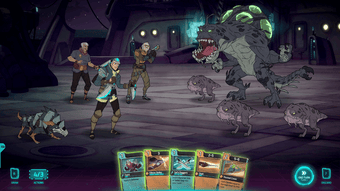
When you play, two independent decks require separate drafting and upgrades, so decisions on one track do not automatically change the other. Negotiation cards use logic, threats, or charm to settle social encounters; combat uses attacks, blocks, and status effects to win fights. Major conflicts can sometimes be solved without violence. Boss encounters force coordinated planning across both card pools, which contributes to a noted learning curve for new players.
What does the game look, sound, and replay like?
On the surface, presentation pairs hand-drawn animation with a comic-book palette that keeps dialogue and fights legible. Sound design underlines mood without overwhelming choices. Procedural quests, branching outcomes, and relationship tracking make runs vary: NPCs remember actions and change available jobs. Progression balances short-term card gains with permanent unlocks, encouraging repeat attempts to explore different story branches and discover new card synergies.
Griftlands suits deliberate, strategy-first players more than casual card fans
Griftlands rewards players who accept deliberate pacing and layered decision-making, providing narrative payoff across multiple attempts. The design asks for an investment in mastering its systems and in replaying runs to see alternate outcomes. For players who prefer thoughtful deck construction and story consequence, it is a strong, focused experience; those seeking faster matches may find the tempo measured.
.png)